
How KIT helps manufacturers take back time and stay in control of tooling
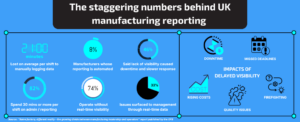
A recent article in Manufacturing Management highlighted findings from research published in the report “Same factory, different reality – the growing divide between manufacturing leadership and operators” by OFS that details an all too familiar problem in UK manufacturing: too much time is still being lost to manual reporting, disconnected systems and a lack of real-time visibility or control.
When operators spend valuable minutes logging information, chasing updates or waiting for someone else to surface an issue, productivity suffers. The real cost is not only admin time. It is slower response, more downtime, missed deadlines and less confidence in the data being used on the shop floor. KIT is built to solve exactly these problems by giving manufacturers a simpler, faster way to manage tooling, audits and calibration in one place.
1. KIT reduces manual reporting and admin-heavy workflows
One of the biggest issues raised in the report is the amount of time operators lose to manual reporting. KIT helps remove that burden by replacing scattered spreadsheets, paper-based checks and disconnected records with one intelligent tool control system. Instead of spending time updating multiple logs or preparing information for audits, teams can complete visual tool audits in seconds, access centralised records instantly and keep tooling data current without the usual back-and-forth. That means less time feeding systems and more time focused on production.
2. KIT gives instant visibility of tooling status
The report makes it clear that limited access to real-time information slows down decision-making. KIT changes that by giving manufacturers immediate visibility of their tooling inventory, calibration status and audit position. Using KIT’s dashboard, teams can see what tools they have, where they are, what condition they are in and what needs attention without relying on someone to pull reports manually. This instant visibility helps issues get spotted earlier, reduces the risk of tooling gaps and supports quicker, better-informed decisions on the shop floor.
3. KIT improves control and accountability across operations
Disconnected systems often create uncertainty around ownership, responsibility and next actions. KIT brings control back by creating a single source of truth for tooling records, audit activity and calibration requirements. With everything managed centrally, manufacturers can standardise processes, reduce tool creep, improve traceability and make it easier for teams to work consistently across departments or sites. Better control does not just support compliance; it also reduces the operational noise that distracts teams from value-adding work.
4. KIT helps manufacturers free up time where it matters most
Manufacturers do not win by asking skilled people to spend more of their shift on admin. They win when those people can focus on production, quality and solving problems early. By simplifying audits, streamlining calibration management and centralising tooling information, KIT helps free up time across the business. Time that would otherwise be lost to searching, checking, logging and chasing can be reinvested in higher-value activity. The result is a more efficient operation, with less friction and fewer delays.
Why this matters now
Many manufacturers have invested in digital systems, but the report suggests that too many frontline processes still remain manual beneath the surface. That is exactly where KIT delivers value. It does not add more complexity. It removes it. By making tool control simpler, more visible and more actionable, KIT helps manufacturers move beyond the appearance of digital transformation and towards something more useful: time saved, better decisions and stronger operational control.
For manufacturers looking to cut wasted time and give teams the clarity they need to perform, intelligent tool control is not a nice to have. It is a practical way to reduce friction, improve responsiveness and create a more productive factory floor. That is where KIT makes the difference.